Visa Interview Insights
Expert strategies, common pitfalls, and real-world scenarios to help you ace your visa interview.
Interview Questions
General Insights
Green Card Interview Questions: Complete Prep Guide
Prepare for your green card interview with this complete guide to USCIS I-485 questions, documents, and practice tips. Start your free mock session today.
Interviewivy
Jul 10, 2026
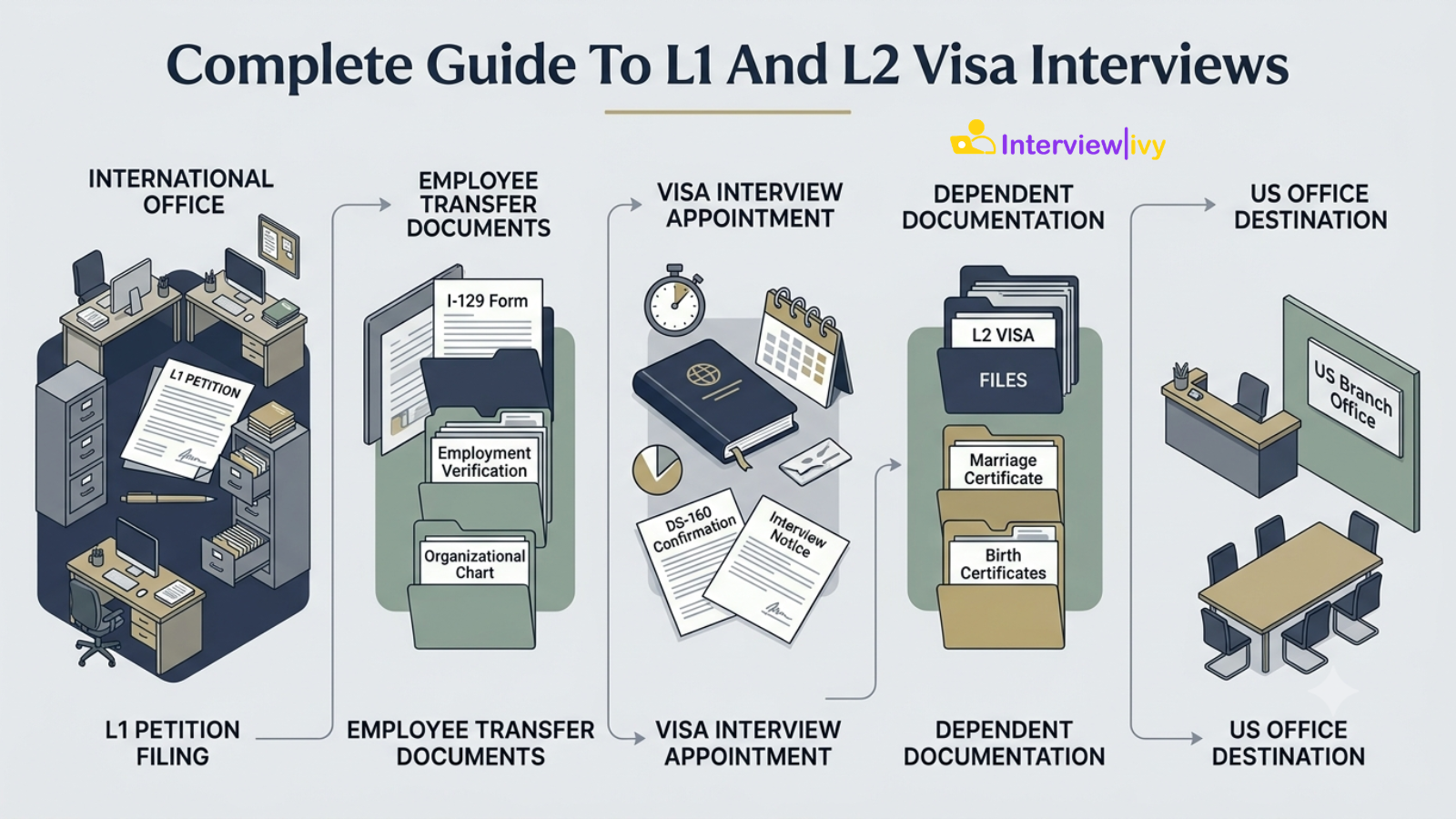
Complete Guide To L1 And L2 Visa Interviews
This guide explains how L1 and L2 visa interviews work, common interview questions, required documents, employer and role discussions, and practical preparation strategies for multinational employees and their families.
Interviewivy
Jul 1, 2026
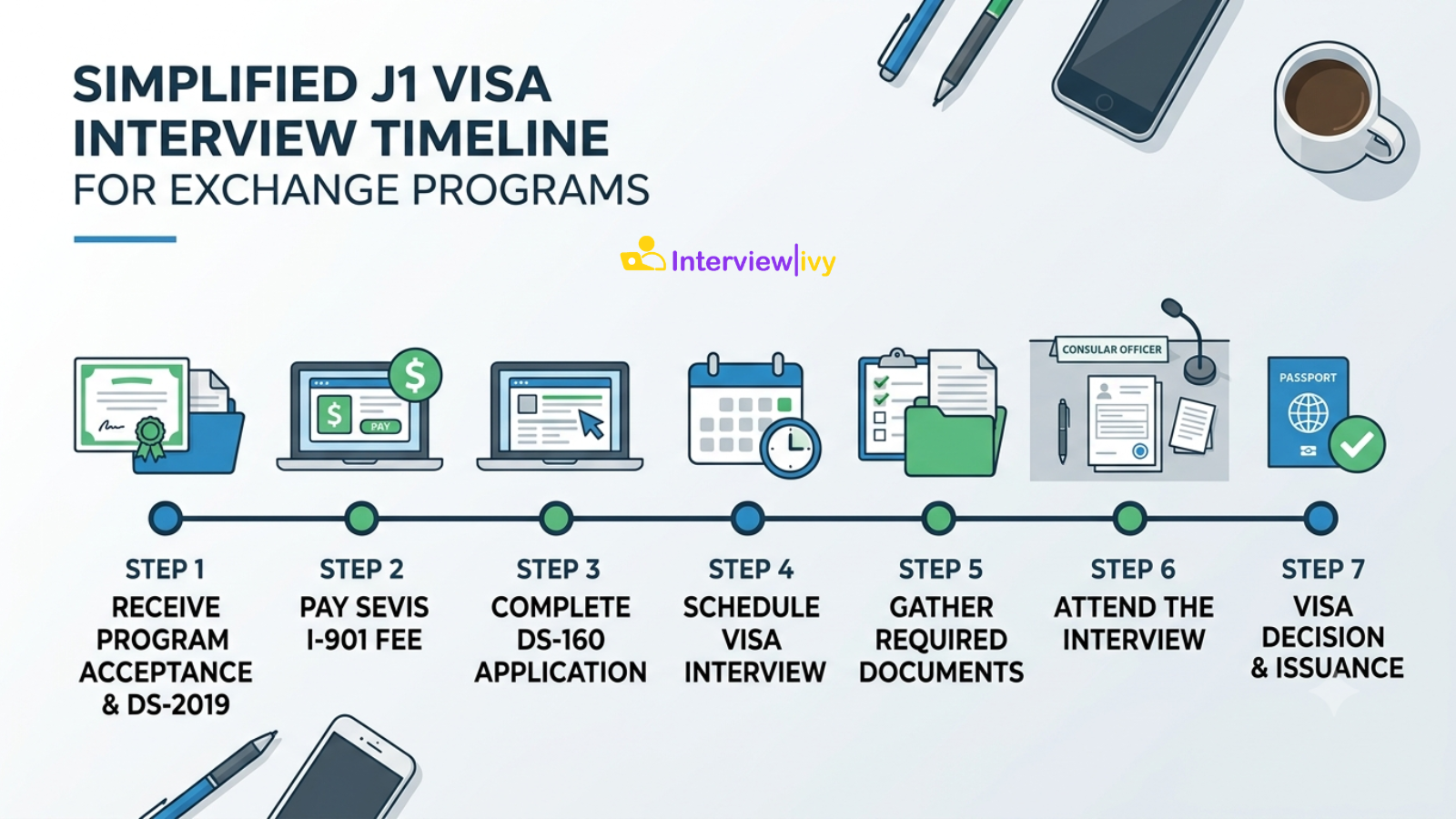
Complete Guide To J1 Visa Interviews
This complete guide explains how J1 visa interviews work, common questions exchange visitors receive, required documents, funding discussions, the two-year home residency requirement, and practical preparation strategies before interview day.
Interviewivy
Jun 29, 2026

US Visa Interview Questions: What to Expect
Prepare for your US visa interview with common F-1 and B1/B2 questions, strong sample answers, and expert tips. Start practicing free at Interviewivy.com.
Interviewivy Team
Jun 23, 2026
Visa Interview Coaching: How Indian Students Can Prepare for the US Visa Interview
Master your US visa interview with expert coaching tips. Learn F1 student visa interview questions, answers, and a 7-day prep plan. Try free at Interviewivy.com!
Interviewivy Team
Jun 23, 2026
US Visa Interview Preparation: Complete Guide
Master your US visa interview with our complete guide for Indian applicants. Question lists, document checklist, and expert tips. Start practicing free.
Interviewivy Team
Jun 23, 2026
Complete Guide To B1/B2 Visa Interviews
This complete guide explains how B1/B2 visa interviews work, common tourist visa questions, documents to prepare, how officers assess travel intent, and practical preparation strategies before interview day.
Interviewivy
Jun 23, 2026
Complete Guide To F1 Visa Interviews
This complete guide explains how F1 visa interviews work, what officers evaluate, common student visa questions, required documents, and practical preparation strategies before interview day.
Interviewivy
Jun 23, 2026
Why Improvement Feels Slow Until You Notice Patterns
Interview improvement rarely feels linear. Many communication changes happen gradually and become visible only after patterns emerge. This article explores why progress often feels slower than it is—and how observation and feedback help make improvement easier to see.
Interviewivy
Jun 19, 2026
Why Hearing Yourself Back Feels Uncomfortable (And Why It Often Helps)
Many applicants feel uncomfortable hearing themselves back during preparation. But that discomfort is often not failure—it is awareness. This article explores why self-perception differs from external communication and how observation helps improve interviews more effectively than repetition alone.
Interviewivy
Jun 18, 2026
The Small Communication Habits Applicants Usually Miss
Most applicants focus on answers while overlooking the small communication habits that quietly shape perception. This article explores how speaking speed, filler patterns, structure, and over-explaining influence interviews—and why awareness often improves communication more than repetition.
Interviewivy
Jun 17, 2026
Why Feedback Often Improves Interviews More Than More Practice
Many applicants assume more practice automatically leads to better interviews. But repeating the same communication habits can create familiarity without improvement. This article explores why feedback often changes preparation more than repetition—and how small adjustments create stronger communication over time.
Interviewivy
Jun 16, 2026
H1B Visa Updates & What Skilled Professionals Need To Understand (Updated Periodically)
H1B visa registrations have dropped sharply as the US shifts toward a more selective immigration model focused on higher salaries, advanced degrees, and stricter scrutiny. But the story is bigger than immigration policy alone. This article explores what the latest H1B changes actually mean for skilled professionals, why communication and positioning matter more than ever, and how applicants can adapt to a far more competitive global talent landscape.
Interviewivy
Jun 15, 2026
Why Most Applicants Don’t Realize What They Sound Like In Interviews
Most applicants judge interviews from the inside: effort, confidence, and preparation. But interviews are experienced externally. This article explores why self-perception often differs from delivery—and how observation and feedback help reveal communication patterns people rarely notice on their own.
Interviewivy
Jun 15, 2026
Why Strong Applicants Still Struggle With Follow-Up Questions
Many visa applicants feel confident until follow-up questions appear. Suddenly preparation feels weaker and answers become harder to organize. This article explores why follow-up questions test adaptability, not memorization, and why strong communication often comes from continuing the conversation instead of restarting it.
Interviewivy
Jun 12, 2026
What Makes An Answer Feel Authentic During A Visa Interview
Two applicants can communicate similar facts and still create completely different impressions. Why? This article explores how specificity, consistency, emotional congruence, and conversational texture shape authenticity—and why believable communication usually feels more connected than polished.
Interviewivy
Jun 11, 2026
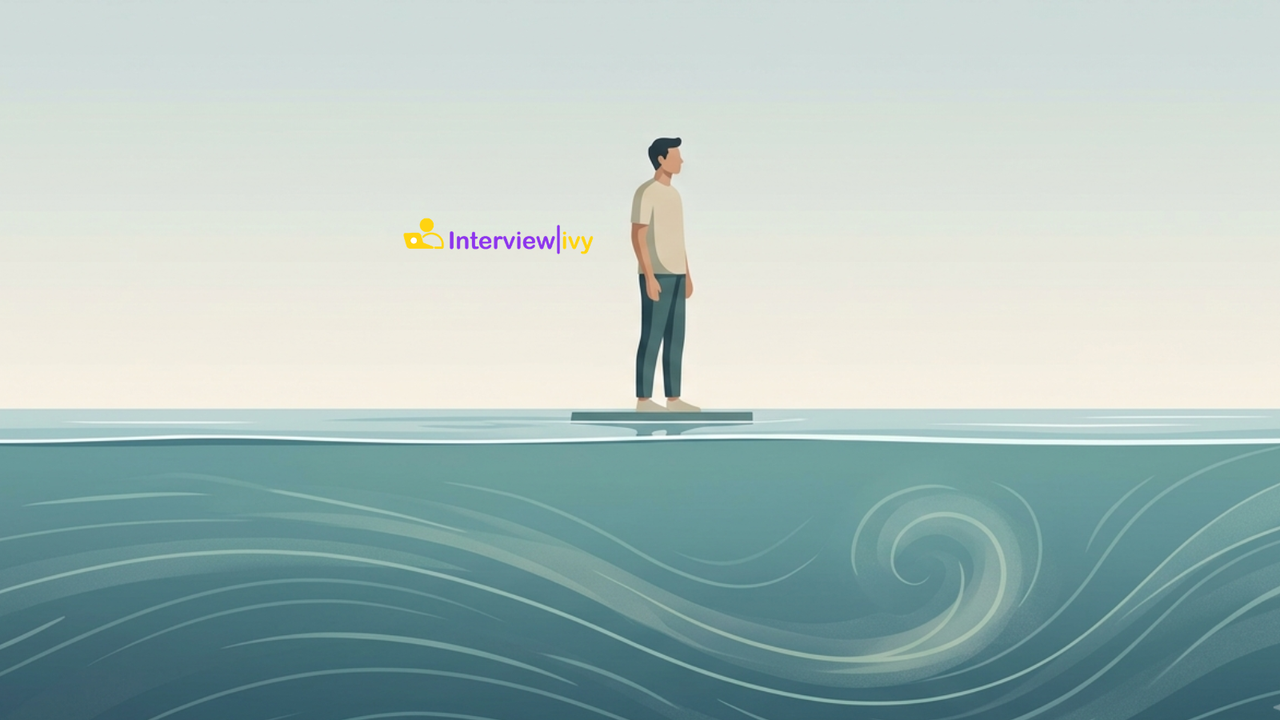
Why Some Applicants Stay Calm Even When They’re Nervous
Many applicants assume calm people simply feel less nervous. Usually that is not what is happening. This article explores why emotional control, behavioral confidence, attention, and pressure familiarity often matter more than eliminating anxiety—and why calm is usually a skill rather than a personality trait.
Interviewivy
Jun 10, 2026
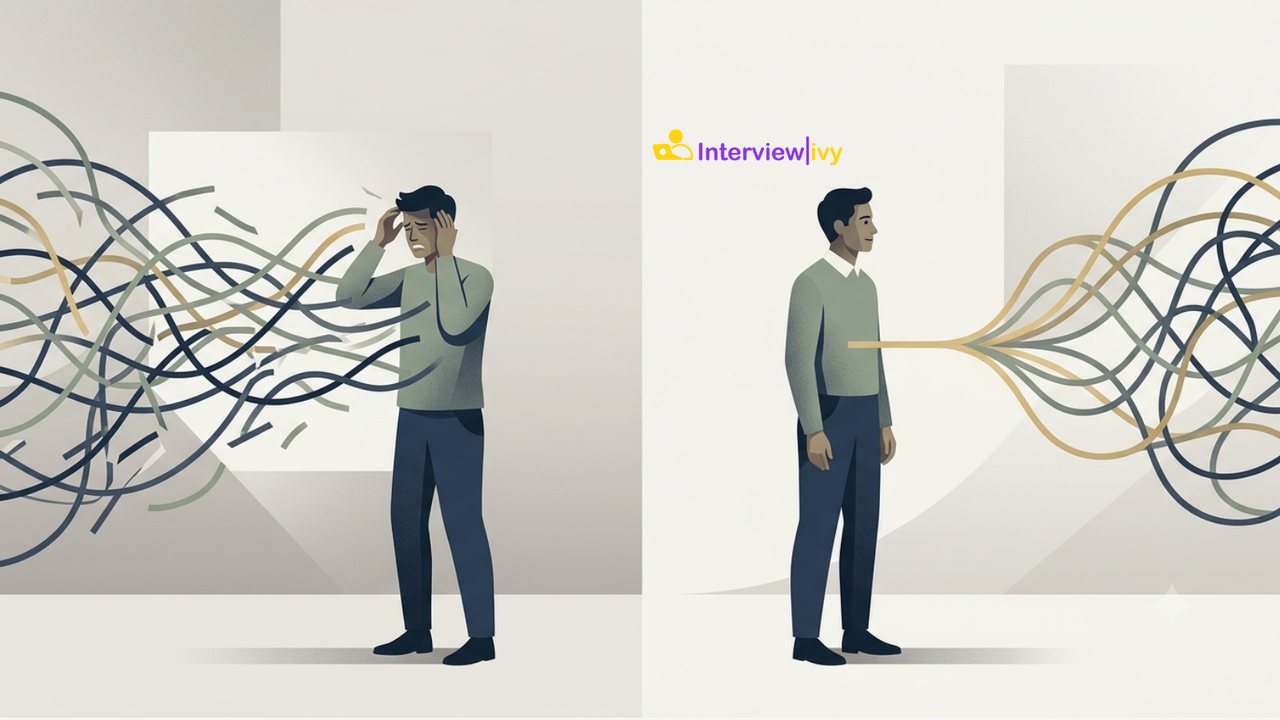
The Hidden Skill Behind Strong Visa Interviews: Listening
Most visa applicants prepare answers. Very few prepare listening. This article explores how anticipation, self-monitoring, and follow-up questions quietly weaken communication—and why strong interviews often begin with understanding the question before trying to answer it.
Interviewivy
Jun 9, 2026
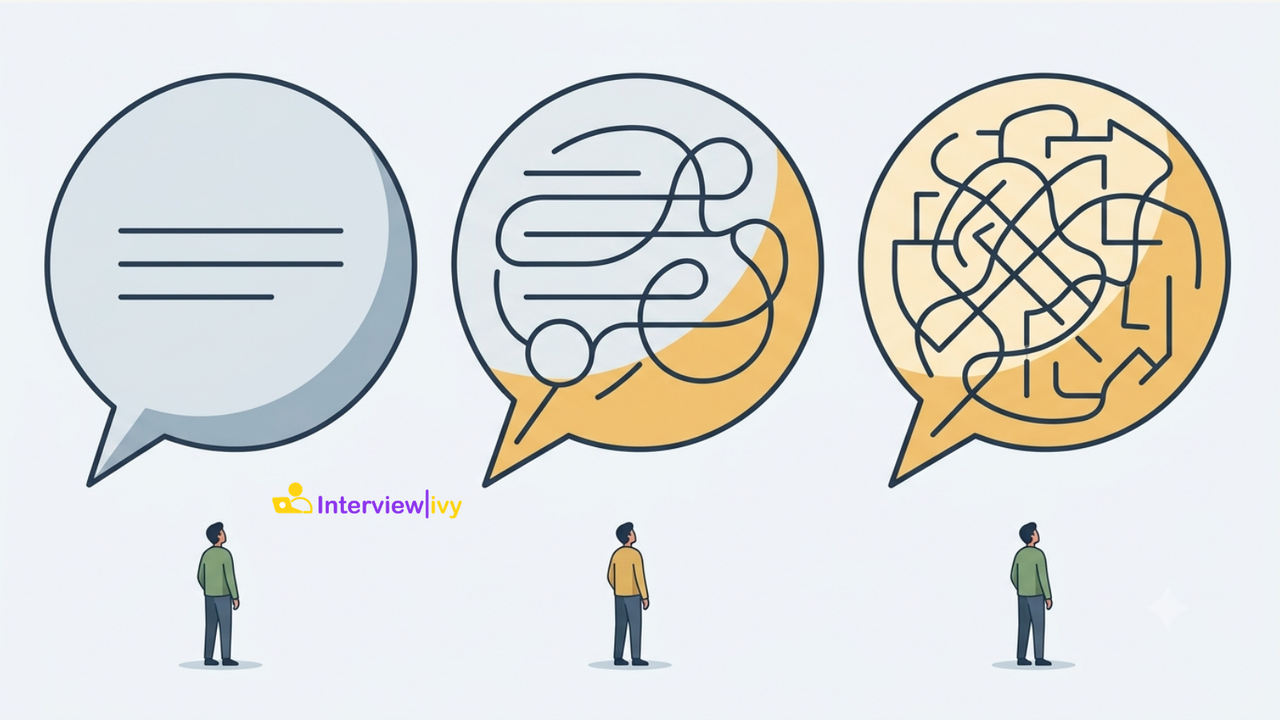
Why Your First Answer Usually Isn’t Your Best Answer
Many visa applicants unintentionally weaken good answers by improving them while speaking. Under pressure, simple answers become longer, cleaner thoughts become overloaded, and clarity gets lost. This article explores why trusting clearer communication often creates stronger interviews than constantly editing yourself in real time.
Interviewivy
Jun 8, 2026
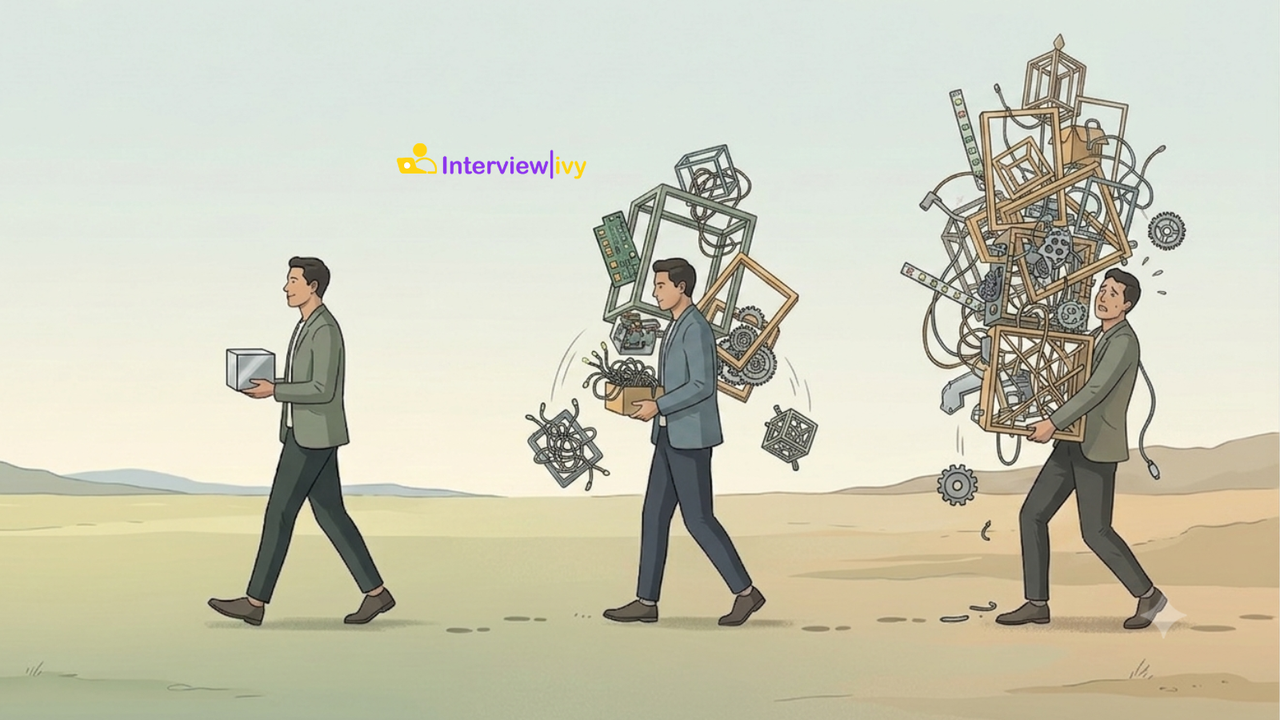
Stop Trying To Impress Visa Officers
Many visa applicants accidentally turn interviews into performances. They use complex language, over-polish answers, and try to sound impressive. But stronger communication often works differently. This article explores why simplicity, trust signals, and natural communication usually create stronger impressions than sophistication.
Interviewivy
Jun 5, 2026
Why Some Applicants Sound More Credible — Even With Similar Profiles
Two applicants can communicate similar facts and still leave completely different impressions. Why? This article explores how credibility is often shaped by clarity, consistency, emotional congruence, and communication patterns—and why sounding believable is usually less about perfection and more about making communication feel natural.
Interviewivy
Jun 4, 2026
What To Do If You Make A Mistake During A Visa Interview
Many visa applicants believe one awkward answer, forgotten detail, or uncomfortable pause automatically ruins their interview. Usually, that’s not what happens. This article explores why mistakes feel catastrophic under pressure, how communication recovery shapes impressions, and why confidence often comes from learning to continue naturally - not from avoiding imperfection.
Interviewivy
Jun 3, 2026
Why Your Visa Interview Should Feel Like A Conversation And Not An Exam
Many visa applicants prepare for interviews the same way they prepare for exams: memorizing answers, optimizing wording, and trying to avoid mistakes. But interviews reward something different. This article explores why strong visa interviews feel more like conversations than performances, and how natural communication often creates stronger impressions than perfectly rehearsed answers.
Expert
Jun 2, 2026
Why Short Answers Usually Perform Better In Visa Interviews
Many visa applicants believe longer answers make them sound more convincing. But in short, high-pressure interviews, excessive explanation often creates confusion instead of confidence. This article explores why applicants over-answer, how short interviews change communication, and why clear, concise responses usually create stronger impressions than long, overloaded explanations.
Interviewivy
Jun 1, 2026
The Difference Between Memorizing Answers And Learning To Communicate
Many visa applicants spend weeks memorizing answers for interviews, but very few practice real communication under pressure. The problem is that knowing information is not the same as explaining it naturally during unpredictable conversations. This article explores the difference between memorized confidence and real communication ability, why over-rehearsed answers often break down during interviews, and how realistic speaking practice helps applicants become more adaptable, calm, and conversational.
Interviewivy
May 27, 2026
Why Freezing During A Visa Interview Is More Common Than You Think
Many visa applicants fear freezing during interviews and assume it means they didn’t prepare enough. But freezing is often caused by cognitive overload from pressure, memorization, and fear of making mistakes. This article explores why the brain shuts down during high-pressure conversations, why memorized answers become fragile under stress, and how realistic mock interview practice helps applicants communicate more naturally and recover calmly during interviews.
Interviewivy
May 26, 2026
What Visa Officers Actually Notice During Interviews
Many visa applicants obsess over memorizing “perfect answers” for interviews. But visa officers are often evaluating something much broader: confidence, clarity, pacing, consistency, adaptability, and overall communication behavior under pressure. This article explores what officers actually notice during interviews, why robotic answers stand out quickly, and how realistic mock interview practice helps applicants communicate more naturally.
Interviewivy
May 25, 2026
Why Over-Explaining Hurts Visa Interviews
Many visa applicants believe giving longer, more detailed answers makes them sound safer during interviews. But under pressure, over-explaining often creates confusion, weakens clarity, and makes nervousness more visible. This article explores why applicants ramble during visa interviews, how officers evaluate short conversations quickly, and why calm, concise communication usually creates stronger impressions than overloaded answers.
Interviewivy
May 22, 2026
Why Some Genuine Applicants Still Get Rejected During Visa Interviews
Many visa applicants believe honesty alone guarantees approval. But visa interviews are short, high-pressure conversations where nervous communication can quietly affect clarity, confidence, and overall credibility. This article explores why some genuine applicants still get rejected, how anxiety changes conversational impressions, and why realistic speaking practice helps applicants communicate more naturally under pressure.
Interviewivy
May 21, 2026
Can Mock Visa Interviews Actually Help? Here’s What Most People Get Wrong
Many mock visa interviews fail to prepare applicants for the reality of high-pressure conversations. Instead of building communication confidence, they often become overly scripted, coaching-heavy, and focused on memorization. This article explores what most people misunderstand about mock interview preparation, why realistic simulation matters, and how repetition, practical speaking practice, and immediate feedback help applicants communicate more naturally during real visa interviews.
Interviewivy
May 20, 2026
How To Prepare For An F1 Visa Interview Without Sounding Rehearsed
Many F1 visa applicants over-prepare because they fear freezing, forgetting answers, or sounding nervous during interviews. But memorizing perfect responses often creates robotic communication that hurts clarity and confidence under pressure. This article explores why natural communication matters more than scripted answers, what visa officers actually observe during interviews, and how realistic mock interview practice helps applicants become more adaptable, calm, and authentic.
Interviewivy
May 19, 2026
Why Nervousness Affects Visa Interviews More Than People Realize
Many visa applicants underestimate how much nervousness affects interview performance. Anxiety doesn’t just create stress - it directly impacts speaking speed, clarity, memory, confidence, answer structure, and eye contact. This article explores why even qualified applicants struggle under pressure, why confidence usually develops through practice rather than personality, and how realistic mock interviews help applicants communicate more naturally during high-stakes visa interviews.
Interviewivy
May 18, 2026

The Biggest Mistake F1 Visa Applicants Make During Interviews
Many F1 visa applicants believe the key to success is giving “perfect” answers. But in reality, trying too hard to sound correct often creates robotic communication that damages credibility during interviews. This article explores why students over-rehearse, how visa officers quickly evaluate communication, and why natural, confident conversation matters more than memorized scripts. Learn how realistic mock interview practice can help applicants stay calm, adaptable, and authentic under pressure.
Interviewivy
May 14, 2026
-Visa-Rejections-Happen.png)
Why 214(b) Visa Rejections Happen
214(b) is one of the most common reasons for U.S. visa refusals. Learn the 3 biggest reasons applications get rejected, from weak ties and unclear study plans to communication gaps during the interview.
Interviewivy
May 12, 2026